Category: Uncategorized

Home / Category: Uncategorized

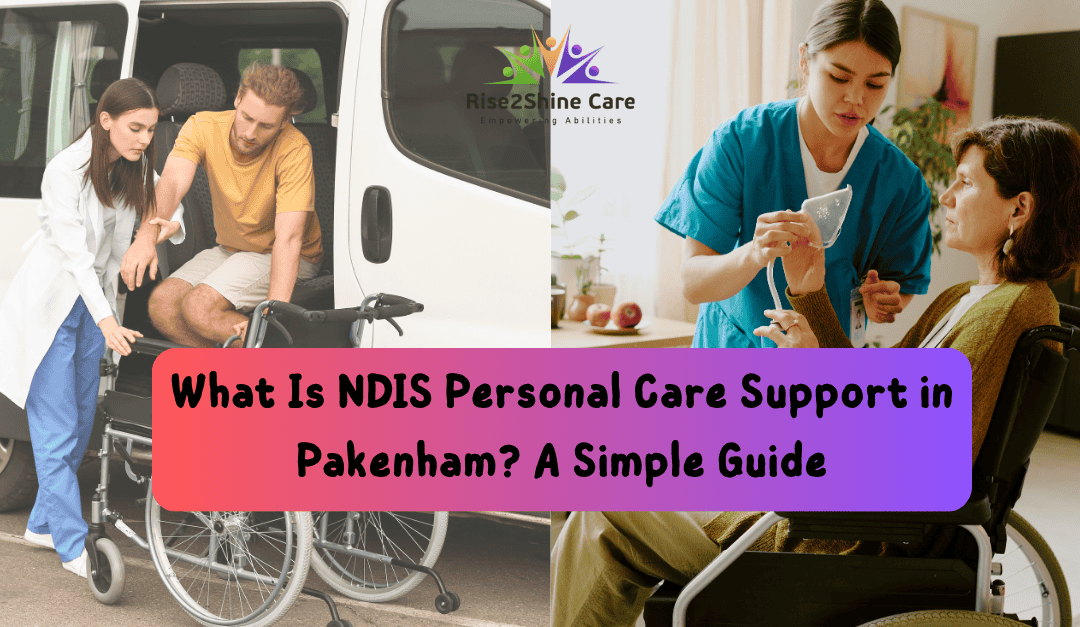
NDIS personal care support in Pakenham: Easy Guide

For many people living with disability, managing personal care tasks isn’t just difficult, it can be one of the biggest barriers to living independently, comfortably, and with dignity.

Whether it’s showering safely, getting dressed without pain, or simply starting the day with support that respects your privacy, these are not small things, they’re essential. That’s where NDIS personal care support in Pakenham comes in.

This blog will help you understand what “assist personal activities” means under the NDIS, who it’s for, and how people in the Pakenham area can access the right support for daily living.

What Are “Assist Personal Activities” in the NDIS?

The NDIS uses the term “assist personal activities” to describe support with essential daily tasks; activities many of us take for granted, but which can be difficult or even unsafe for people with disability to manage alone.

These activities include:

  • Showering, bathing, and grooming
  • Dressing and undressing
  • Toileting and continence care
  • Eating and drinking
  • Mobility around the home
  • Getting in and out of bed
  • Assistance with medication or using equipment

This type of support is delivered by trained support workers as part of a participant’s approved NDIS plan. The aim is to maintain personal hygiene, safety, and independence, not to take over, but to assist where it’s needed most.

Who Is This Personal Activity Support For?

If you or someone you care for:

  • Needs regular help with personal care tasks
  • Is living with a physical, cognitive, or psychosocial disability
  • Faces daily risks like falls, hygiene challenges, or social isolation without assistance

Then assist personal activities support may be essential for your well-being.

This type of care is most often funded under Core Supports in your NDIS plan, specifically under the category “Assistance with Daily Life.”

It’s not just about getting help, it’s about preserving dignity, safety, and quality of life.
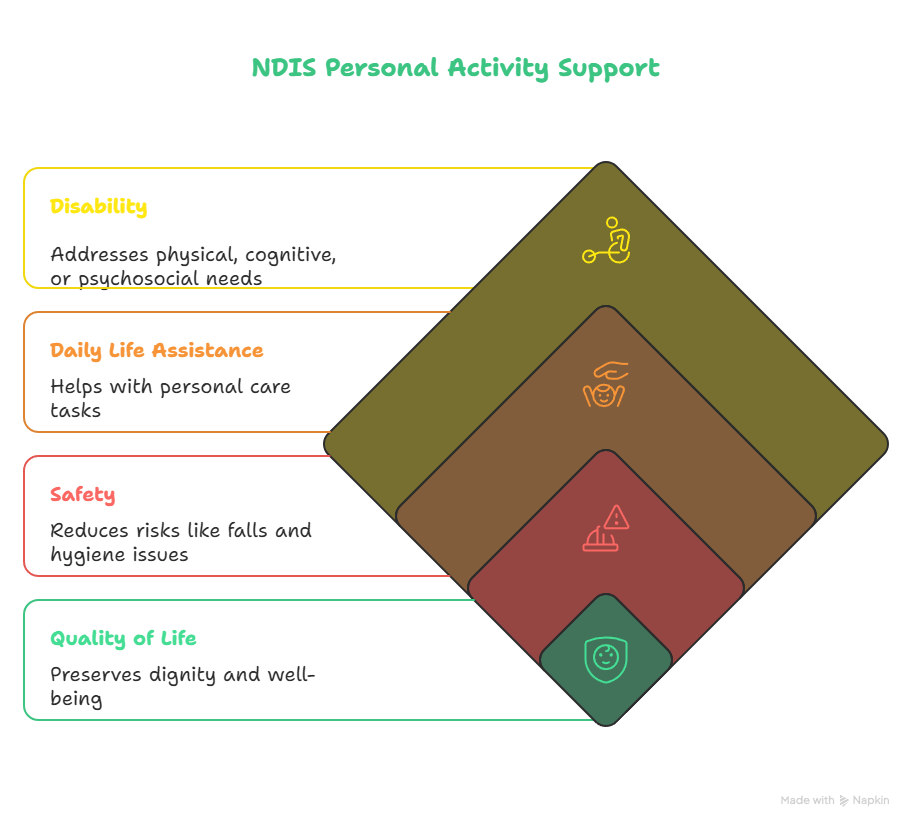
ndis personal activity support

How Does NDIS Personal Care Support Work in Pakenham?

If you’re based in Pakenham or surrounding areas, here’s what you can expect:

  • Support is usually provided in your home, tailored to your schedule and daily routine
  • Services are delivered by qualified and screened disability support workers
  • Care is person-centred, meaning your preferences, cultural needs, and comfort are respected
  • Support can be short-term (e.g. post-hospital care) or ongoing, depending on your needs

Many participants in the Pakenham area also rely on this support while living with family or in shared accommodation.

Having access to local disability services is especially important for timely support, consistency of care, and building trust with your regular support team.

NDIS Personal Care vs. General Personal Care: What’s the Difference?

If you’re new to the NDIS or exploring personal care options, you might be wondering how NDIS-funded support differs from general personal care services. While the hands-on tasks may seem similar, the way they’re funded, delivered, and tailored to your needs is quite different.

Here’s a quick comparison to help clarify:

FeatureNDIS Personal Care SupportGeneral Personal Care
Funding SourceFunded through an approved NDIS planPrivately funded, aged care packages or state programs
EligibilityMust be an NDIS participant with eligible support in planAvailable to anyone who pay or qualifies for other programs
Goal-FocusedYes, support is linked to your NDIS goals (e.g. independence)Often task-based, not always goal-oriented
Choice and ControlHigh- you choose your provider, schedule, and support workersDepends on the provider or service model
Flexibility of ServiceHighly customisable to suit your daily routine and preferenceCan be flexible, but often more structured
Support CoordinationCan be managed with or without a Support CoordinatorUsually self-managed or through aged care case manager

Common Concerns – And What You Should Know

Choosing personal care support under the NDIS can be overwhelming. Here are a few concerns that many people share and what can help:

1. “I feel uncomfortable having someone help me with private tasks.”

That’s completely valid. The right support worker will always respect your boundaries and ensure you feel safe, listened to, and in control.

2. “I’m not sure how to include this support in my NDIS plan.”

You’ll need to clearly explain your daily living needs during your planning meeting. Reports from OTs or your GP can strengthen your case. Support Coordinators can also assist with this process.

3. “Will I get a say in who provides my personal care?”

Yes. You have choice and control under the NDIS. You can work with providers who match your preferences, including gender, culture, language, or availability.

These concerns are more common than you think. And the good news is, with the right plan in place, NDIS support is there to ensure you’re not facing these challenges alone.

How to Prepare for Your Planning Meeting (or Plan Review)

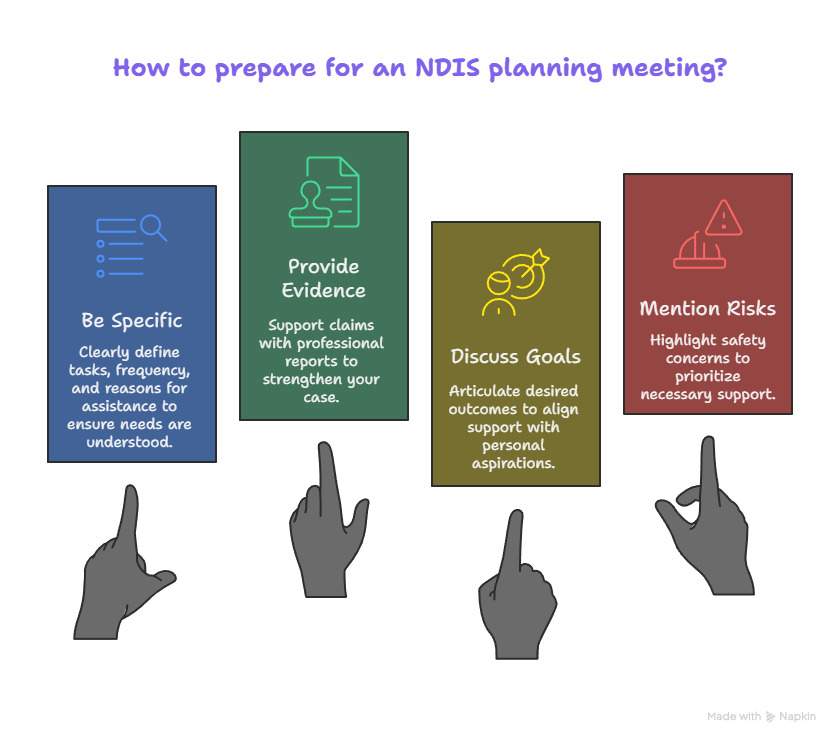
To access personal assistance care through your NDIS plan, here are a few tips:

  • Be specific: Describe what tasks you need help with, how often, and why
  • Provide evidence: OT reports, functional assessments, or health professional letters make a big difference
  • Discuss your goals: For example, “I want to get ready independently for work each day” or “I want to live at home safely”
  • Mention risks: Highlight any safety issues like falls, medication errors, or hygiene complications

The more clearly you present your needs, the easier it is for the NDIS to understand the supports that are reasonable and necessary.
preparation for ndis planning meeting

Why This Support Matters

At its core, NDIS personal care support in Pakenham isn’t just about meeting basic needs, it’s about:

  • Reducing daily stress and risk
  • Promoting physical and emotional wellbeing
  • Helping people live with dignity and independence
  • Supporting carers by easing pressure and preventing burnout

For many individuals and families, these supports make the difference between surviving and thriving.

Key Takeaways

  • “Assist personal activities” refers to support with personal care tasks such as bathing, dressing, toileting, and mobility
  • Funded under NDIS Core Supports, typically within the “Assistance with Daily Life” category
  • Delivered in-home by trained support workers, with a focus on independence, respect, and safety
  • You have control over how, when, and by whom this care is delivered

Conclusion

Needing support with personal care is not a weakness, it’s a part of creating a safe and manageable life. The NDIS exists to support that. If you’re looking into NDIS personal care support in Pakenham, take the time to understand your options, plan your supports well, and work with professionals who prioritise your goals and well-being.

Looking for reliable NDIS personal care support in Pakenham? Rise2Shine Care offers respectful, goal-focused assistance tailored to your daily needs. Get in touch to explore the right support for you.

Reach out to us at 0493 029 033 for a free no-pressure consultation or visit our site for more information.

FAQs

Q1. Does NDIS fund overnight personal care?

A: It can, if you need support during the night. This might include help with toileting, repositioning, or supervision. You’ll need to show why it’s necessary in your plan.

Q2. What qualifications should a personal care worker have?

A: Many have a Certificate III in Individual Support, but experience, screening checks, and a caring attitude matter just as much. Trust and safety are key.

Q3. Can I request a support worker of a certain gender or background?

A: Yes. You can absolutely ask for a worker who respects your cultural needs or gender preferences, especially for personal care. Just let your provider know.

Q4. Will NDIS cover travel to personal care services?

A: If personal care is delivered outside your home, transport may be covered. Most care, though, is done at home, which avoids the need for travel.

Q5. What if my personal care needs change?

A: You can request a plan review. Just be ready to explain what’s changed and how it affects your daily life. Reports from health professionals help.

Q6. Is personal care the same as domestic support?

A: Not quite. Personal care covers things like showering or dressing. Domestic support is for tasks like cleaning or cooking. You might need both.
mental health service in pakenham

If you’ve ever tried to secure the right NDIS mental health service in Pakenham for a loved one, you’ll understand that it is not just a matter of opening a list and finding the closest provider.

Every family wants the best care, but here’s the thing: not all NDIS providers offer the same level of support, and what works for one person might not work for another. That’s why knowing what to look for (and what to avoid) can save you time, stress, and disappointment.

Let’s walk through a few things that families in Pakenham should keep in mind before making that big decision.

Why the Right NDIS Mental Health Support Matters

Living with a psychosocial disability can be challenging, but with the right support, life doesn’t have to feel like a constant struggle. The right NDIS support and team can help you feel more in control, more connected, and more hopeful about the future.

It’s not just about having a plan on paper. What matters is how that support is given. Is it tailored to your needs? Do you see the same support worker on a regular basis? Do you feel heard, respected, and safe?

A trusted NDIS provider in Pakenham will take the time to get to know you, not just your diagnosis. They’ll ask questions, listen carefully, and include you and your family in every step.

What to Look for in an NDIS Mental Health Service in Pakenham

If you or a loved one is experiencing mental health challenges, choosing the right support can feel overwhelming and confusing. That’s completely normal; you’re not alone.

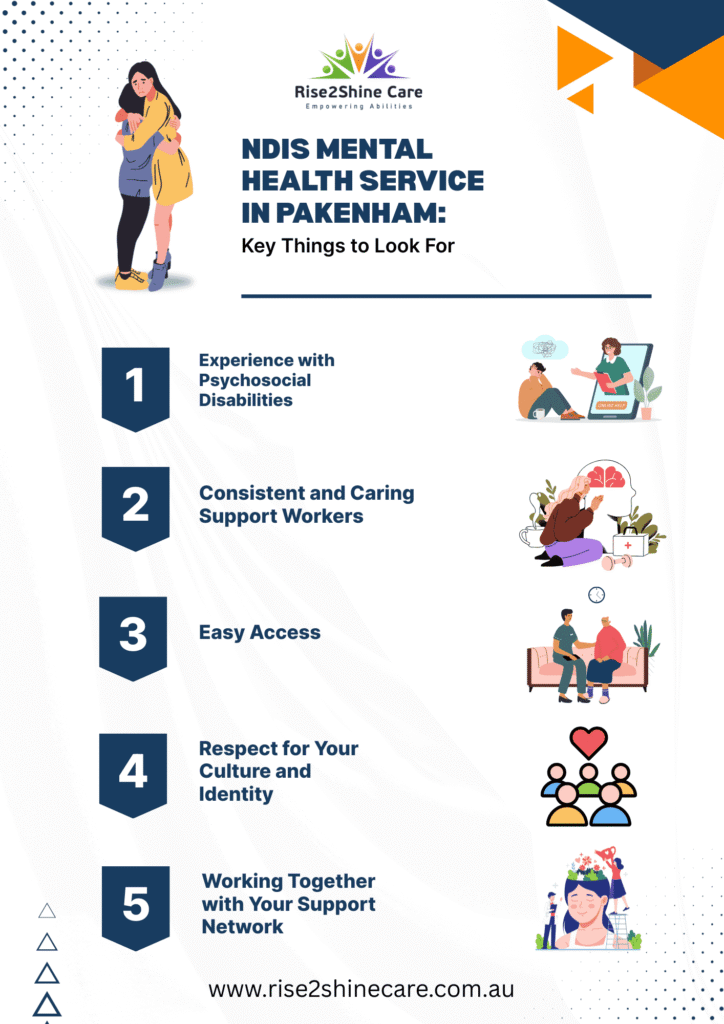
In Pakenham, with more NDIS services becoming available, making the right choice is very important. If you’re looking for NDIS support that truly works for you, here are some key things to consider:

1. Experience with Psychosocial Disabilities

Not every NDIS service provider in Pakenham specialises in mental health. Look for one that understands your needs through services like:

  • Recovery coaching
  • Mental health support work
  • Community participation programs
  • Therapeutic services
  • Help with daily life skills and routines

Ask how they personalise these supports. Good providers help you make real progress in your everyday life, not just tick boxes.

2. Consistent and Caring Support Workers

Mental health support works best when you feel safe and understood. That means having support workers who stick around and get to know you.

Ask if you’ll have the same support worker regularly. Having someone familiar makes it easier to build trust and feel comfortable sharing what you need.

3. Easy Access

The psychosocial disability support must align with your life. Think about:

  • Can the provider come to your home or meet somewhere easy to get to?
  • Do they offer appointments outside school or work hours?
  • Are their offices close to public transport?
  • Do they understand local challenges in Pakenham, like transport or waitlists?

A provider who knows the area well can help you get support when and where you need it.

4. Respect for Your Culture and Identity

Your background matters. Whether you’re from a CALD community, Aboriginal or Torres Strait Islander, LGBTQ+, or something else, your provider should respect who you are.

Ask how they make their services welcoming and inclusive. A trusted NDIS provider will have clear answers and show they value diversity.

5. Working Together with Your Support Network

Good mental health support involves more than just one provider. It works best when your family, doctors, schools, or other helpers are part of the team.

Ensure that your provider will keep everyone informed and collaborate with your support network to help you achieve your goals.

Red Flags to Watch Out For When Choosing an NDIS Mental Health Support

When searching for the right NDIS mental health service in Pakenham, watch for these warning signs:

  • Unclear explanation of support: If it’s hard to get a straight answer about how the service works, what’s included, or how supports are delivered, it’s a sign the provider may not be organised or transparent.
  • Vague or generic responses to questions: Asking questions is important. If answers sound scripted, confusing, or avoid your concerns, you need to be cautious. A good provider will offer clear, honest answers tailored to your situation.
  • No information about staff experience or qualifications: It should be easy to find out who’s delivering the support and what their background is, especially when it comes to mental health support. If that info isn’t available or is brushed off, think twice.
  • Overly pushy during the first contact: Support should never feel like a sales pitch. If there’s pressure to sign service agreements quickly or book support before you feel ready, take a step back. You deserve time to decide.
  • Hard to reach or slow to respond: If it takes days to get a reply, or no one picks up the phone, it may reflect how things will go later. Reliability matters, even before support begins.
  • No mention of personalisation: Everyone’s mental health issue is different. If there’s no effort to learn about your goals, lifestyle, challenges, or requirements during early conversations, it’s unlikely the support will be tailored.

If you spot any of these signs, don’t hesitate to ask questions or look for another NDIS provider. The right NDIS service in Pakenham will make you feel supported and confident.

Questions to Ask Before Choosing an NDIS Mental Health Service Provider

Before signing up, it’s worth asking a few honest questions to avoid issues down the track. A reliable NDIS service provider will take the time to understand what matters to you and offer clear, thoughtful answers.

Question to AskWhy It Matters
How will you tailor support to fit my needs?Support should match your life and goals, not just follow a generic checklist.
Will I have the same support worker?Familiar faces help build trust and make support feel more stable and personal.
Can I make changes later if needed?Flexibility is key, as your needs might change over time.
Do you work with my GP, therapist, or others?Good support involves the whole team, so nothing gets missed or repeated.
How do you track progress?It’s important to know how the provider will check if the support is working well.

If the response to these feels rushed, vague, or unclear, it’s okay to keep looking at other options.

Conclusion

Choosing the right NDIS mental health service in Pakenham isn’t something to rush. It’s about finding a provider who listens, understands your unique needs, and supports you or your loved one throughout the process.

Remember, the best support feels safe, consistent, and personalised. Take your time, ask the important questions, and don’t be afraid to explore different options until you find the right fit.

If you are looking for a trusted NDIS service provider that specializes in mental health support in Pakenham. Rise2Shine Care is a registered NDIS provider in Pakenham and is here to help you on your journey towards better mental health and wellbeing.

Reach out to us at 0493 029 033 to book a no-pressure free consultation and learn more about us by visiting our site.

Frequently Asked Questions (FAQ)

Q1. How is NDIS mental health support different from regular mental health care?

A: NDIS support helps when your mental health condition affects everyday life. It’s more than therapy; it can include help with routines, community access, or recovery coaching.

Q2. Can I get NDIS mental health support without a diagnosis?

A: Not usually. You’ll need a diagnosis and proof that your condition impacts your daily life. A provider or support coordinator can help you gather what’s needed.

Q3. What if I didn’t like my last NDIS provider?

A: You can change anytime. You don’t need to stay with someone who doesn’t feel right. Your new provider can help with the switch.

Q4. Is mental health support automatically included in an NDIS plan?

A: No. Mental health support through the NDIS is only included if the person has a psychosocial disability, a mental health condition that significantly affects their daily life.

If your plan doesn’t already include support for this, you’ll usually need to:

  • Provide evidence (like reports from a GP, psychologist, or psychiatrist)
  • Show how the condition impacts your everyday activities
  • Request a plan review to add psychosocial disability supports

You don’t need to figure it all out alone; an NDIS provider or support coordinator can help you with this process.

Q5. Can I still get help if I’m not sure what I need yet?

A: Yes. A good NDIS provider will listen, help you figure out your goals, and suggest supports that fit your situation.