Author: Rise2Shine Care

Home / Author: Rise2Shine Care

Assistance with Personal Activities in Pakenham

Assistance with Personal Activities in Pakenham: What’s Funded and What’s Not?

When you are just getting started with the National Disability Insurance Scheme (NDIS), everything can feel a bit confusing, especially when you’re trying to understand what supports are covered and which ones are not. If you are living in Pakenham and wondering about assistance with personal activities in Pakenham, then you are not alone. Many NDIS participants ask this very question: “What kind of everyday help can I actually get funding for?”

So, let us explain everything properly using simple language and practical examples. Whether you are planning your first NDIS meeting or reviewing your current plan, this blog will help you understand what is possible and what is not when it comes to personal support.

What is Assistance with Personal Activities in Pakenham

What Does ‘Assistance with Personal Activities’ Mean?

In NDIS terms, “assistance with personal activities” refers to the supports that help you with the essential daily tasks you need to live life with comfort, and independence.

These supports for daily living in Pakenham are often funded under your Core Supports budget, specifically under the support category: Assistance with Daily Life.

This usually includes help with:

  • Showering or bathing
  • Dressing and grooming
  • Using the toilet
  • Getting in and out of bed
  • Meal preparation and feeding
  • Moving around the house safely

The goal is to support your independence while respecting your routine, choices, and preferences. It’s not just about getting tasks done; it is more about doing them the way you want and with the right kind of support.

What’s Typically Funded?

Let us talk about what NDIS is likely to fund when it comes to assistance with personal activities in Pakenham.

Assistance with Personal Activities in Pakenham: Funded Services

Support Workers to Help You at Home

The most common type of support is to provide a qualified support worker who can assist with tasks in your home, like helping you get dressed in the morning, preparing your meals, or helping you manage your daily hygiene routine.

Assistance with Personal Activities in Pakenham’s Shared Accommodation

If you live in a group home or supported independent living setting, you can also receive daily personal care, which would be made to fit your needs.

Overnight Support

Suppose your disability requires support overnight, such as assistance with using the toilet or managing anxiety, then this type of care can be included in your plan. Furthermore, having proper overnight support is important to ensure your comfort and safety.

Support During Holidays or Short Stays (Break)

So, the personal care services for NDIS participants do not stop when you are away from home. If you go on a short break, your personal care needs can still be funded during that time.

Training to Become More Independent

You can also receive support to learn how to do certain personal activities more independently. For example, if you are working on meal prep skills or managing your hygiene alone

What is Not Funded Under ‘Assistance with Personal Activities in Pakenham’?

While the NDIS offers a wide range of services, there are some clear limits on what it will fund. If you are clear about these from the start, you can help prevent any unexpected issues later on.

Assistance with Personal Activities in Pakenham: Services that are excluded from funding

Here’s what usually is not covered:

Medical or Nursing Services

The NDIS does not cover medical services. So, if you need things like wound care, injections, or someone to give you medication, that is usually paid for by the health system, not the NDIS. However, in some cases, if your daily support needs include health monitoring, there may be special arrangements to include it in your plan.

Tasks Outside the Personal Care Category

House cleaning, gardening, or grocery shopping are not considered personal care; those fall under other support categories like Household Tasks or Community Participation, which may or may not be included in your plan.

You can check with your NDIS provider in Pakenham to see whether they provide community participation.

Support Not Related to Your Disability

The NDIS only funds support that is directly related to your disability. The scheme exists to provide everyday assistance for people with disabilities, helping them manage their daily tasks easily and independently.

Henceforth, if you are requesting help with something that does not fit with your disability needs (e.g., a haircut or buying clothes), it might not be covered.

Informal Supports Provided by Family

NDIS does not usually pay your family to help with personal activities. So, informal support is considered separate from funded support.

How Does Funding Work in Practice?

Now that you know what’s in and what’s out, you might be asking: “How do I actually get these supports in my plan?”

Common NDIS Funding Process

Here’s how it normally works:

  • During your NDIS planning meeting, you (or your nominee) will talk about your daily needs.
  • If you require assistance with personal tasks, the planner will assess whether this support is reasonable and necessary based on your disability.
  • If approved, the funding will appear under your Core Supports, and you’ll be able to use it to hire a registered or unregistered NDIS provider in Pakenham.
  • You can choose who supports you and when they will be paid from your budget, as long as the tasks are within scope.

It is also important to note: If you are plan-managed or self-managed, you can use both NDIS-approved care providers in Pakenham and the non-registered ones. If you are NDIA-managed, you will need to choose from registered providers only.

Some Tips for Making the Most of Your Funding

To make sure you are properly using your budget for assistance with personal activities in Pakenham, here are a few helpful tips:

Work with a Trusted Local Provider

You can choose a provider in Pakenham who understands your personal goals, not just your plan. Ultimately, having someone you can trust makes a big difference.

Set a Daily Routine Together

You should talk with your support worker to create a routine that matches your life. Whether you need support in the morning or evening with meal preparation, personal grooming, or something else, it’s completely your choice.

Keep Good Records

If you are self-managed, keeping receipts and service agreements is important. Even if you are not, tracking your support hours helps avoid budget surprises.

Review Your Plan Regularly

Your needs might change, so reviewing your plan yearly will be an easy way to make sure you are getting the right level of individual daily care under NDIS.

How to Track Your Progress in Personal Activities

Monitoring your progress helps you make the most of your NDIS support and ensures your independence continues to grow. Here are some simple ways to track your achievements:

  • Log Daily Skills: Keep a brief record of tasks you’re learning or completing independently, such as meal prep, dressing, or personal hygiene.
  • Celebrate Milestones: Recognize improvements, even small ones, to stay motivated and show your progress at plan reviews.
  • Review Goals Regularly: Compare your current abilities to the goals set in your NDIS plan and adjust support if needed.
  • Share Feedback with Your Support Worker: Regular discussions with your support worker help fine-tune your support to suit your evolving needs.

Let’s Talk About Pakenham Specifically

Pakenham has a growing number of NDIS providers offering customized personal activity support. Because it is a growing, community-focused suburb, there is a mix of large registered providers and smaller, participant-led services.

This means you can often find someone who really understands the local lifestyle, whether that is walking around shopping centers, accessing health services nearby, or just understanding your day-to-day needs with a personal, respectful approach.

So, if you are seeking assistance with personal activities in Pakenham, do not settle for a standardized plan. You should choose a service that is made to fit your individual needs instead. Look for service providers who:

  • Regularly match you with the same home and community support worker in Pakenham
  • Have experience with your disability type
  • Can provide flexible hours based on your preferences
  • Are willing to listen and adapt over time

Conclusion: Getting Support That Respects You

Ultimately, getting help with personal activities isn’t just about keeping up with hygiene or daily routines; it is about living your life the way you want to, with the support that feels right for you.

The NDIS has made it possible for many people in Pakenham to receive this support in a way that is fully funded, accessible, and designed for their comfort, not the other way around.

If you are not sure what your plan covers or if you are eligible for more support, reach out to your Local Area Coordinator (LAC) or support coordinator. You can also speak directly with service providers who can help you understand your options before your next plan review.

Your activities are not just tasks; they are a part of your independence, well-being, and dignity. With the right support, you do not just get through the day; you flourish.

FAQs – Assist with Personal Activities in Pakenham

1. Can I get help with personal activities while I’m at work or studying?
Yes, if your NDIS plan includes support during community access or vocational activities, you may be able to receive assistance with personal tasks like toileting or eating during work or study hours.

2. Are there female-only or male-only support workers available for personal care?
Absolutely. You have the right to request a support worker based on your preferences, including gender, especially for personal care tasks. Just let your provider know what makes you feel most comfortable.

3. Can personal activities support be provided outside my home, like at a friend’s place or holiday stay?
Yes, support can be delivered wherever you are, as long as it’s part of your NDIS-approved plan and related to your disability needs. This includes short trips, overnights, or stays at other locations.

4. Is there a minimum number of hours I need to book for personal support each day?
Not necessarily. Many NDIS providers in Pakenham offer flexible shifts, some as short as 30 minutes. It depends on your provider’s policy, your plan, and your needs.

ndis mental health support in pakenham

Whether you’re living with a mental health condition yourself or supporting someone who is, you probably understand just how deeply it can affect everyday life, from managing simple routines to staying connected with others or holding down work. In some cases, these challenges become long-term and start to impact independence and quality of life in a major way.

When that happens, it may be more than just a mental health concern- it might be what’s known as a psychosocial disability.

This kind of disability can make everyday life feel overwhelming, even unmanageable at times. And when that’s the case, people often need more than short-term treatment, they need ongoing support.

That’s where the National Disability Insurance Scheme (NDIS) comes in. It is designed to support Australians with significant and lasting disabilities including those caused by mental health conditions, the NDIS can fund a range of services to help people regain control, independence, and confidence in their daily lives.

ndis mental health support in pakenham

But understanding how it all works, especially here in Pakenham, can feel confusing. That’s why this guide exists.

Here’s what we’ll walk through together:

  • What psychosocial disability really means and how it relates to mental health
  • Who might qualify for the NDIS, and what the eligibility criteria look like
  • How to apply, and what kind of evidence is needed
  • Trusted local services in Pakenham that can help you through it
  • The types of supports the NDIS may offer for mental health

Whether you’re just starting to explore support or feeling stuck somewhere in the process, this guide is here to help you take the next step clearly, calmly, and with the local insight you need.

What is NDIS Mental Health Support in Pakenham? Understanding Psychosocial Disability

Lots of people experience mental health challenges at some point, feeling anxious before a big event, going through a tough breakup, or feeling low for a few weeks. With the right support, many people can recover and get back on track.

But for some, a mental health condition doesn’t just come and go, it sticks aroundfor a long time and starts to makeeveryday life really hard to manage.

That’s what’s called a psychosocial disability.

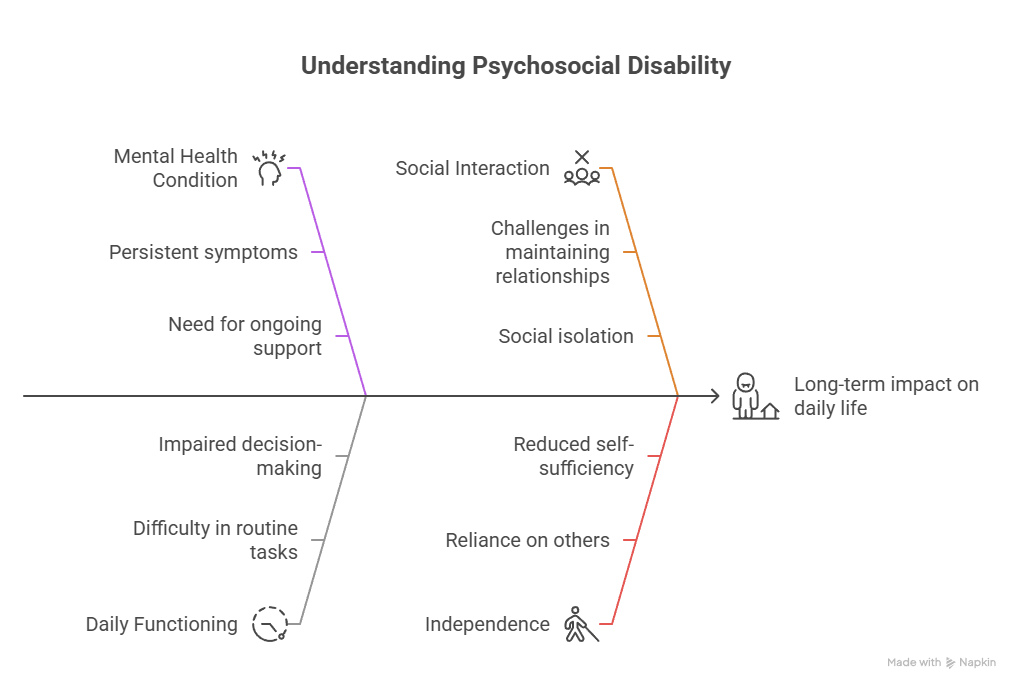
understanding psychosocial disability

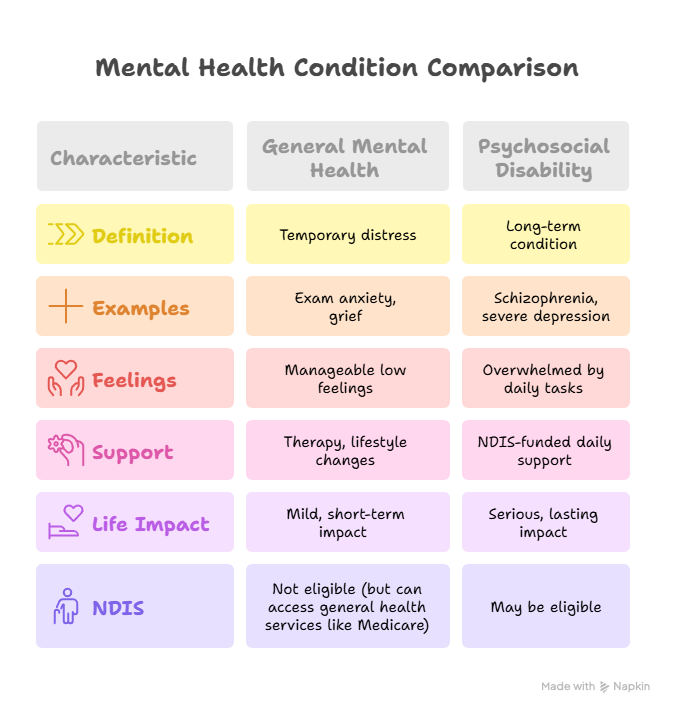
Here’s how it differs:

  • A mental health condition might make someone feel sad, anxious, or stressed for a while. They might need therapy, medication, or time off and then feel better.
  • A psychosocial disability means the condition is long-term, and it seriously affects a person’s ability to do everyday tasks such as getting dressed, going to the shops, making decisions, or keeping up with friends and family.

Overall, it is not just about the name of your condition.

It’s about how much it affects your daily functioning and your independence over time. If you or your loved one is facing such a condition, then you may be eligible for NDIS mental health support in Pakenham, so it’s worth exploring your options.

Conditions that can lead to psychosocial disability include:

  • Schizophrenia
  • Bipolar disorder
  • Severe depression
  • Anxiety disorders
  • Post-traumatic stress disorder (PTSD)

Here is a chart to simplify the difference between psychosocial disability and general mental health.

difference between general mental health and psychosocial disability

How Does the NDIS Support Psychosocial Disability?

The NDIS provides funding for supports that help individuals with psychosocial disabilities improve their functional capacity and participate more fully in their communities. The support is designed to be flexible and tailored to each individual’s needs and goals.

Some examples of NDIS-funded supports for psychosocial disability include:

1. Psychosocial Recovery Coaching:

  • A team member to help each participant develop and build the skills to manage their lives and work towards their recovery goals.

2. Capacity Building Supports:

  • This includes building skills and autonomy in areas like education, employment, or daily living tasks.

3. Social and Community Participation:

  • Supports that help participants engage with their community, form new social connections, and participate in social activities.

4. Assistance with Daily Living:

  • Assistance with daily tasks such as personal care, household chores, and meals so participants can live independently.

5. Support Coordination:

  • Help navigating the NDIS and connecting with other supports and services.

Note: The NDIS mental health support in Pakenham are intended to help people with psychosocial disabilities manage the functional impacts of their condition. This does not replace clinical mental health treatment, which is the responsibility of the broader health system.

Are You Eligible? NDIS Mental Health Eligibility Criteria for Pakenham Residents

If you’re living with a mental health condition that makes daily life difficult, the NDIS might be able to support you. But first, you’ll need to meet a few key requirements.

Here’s a quick and simple breakdown:

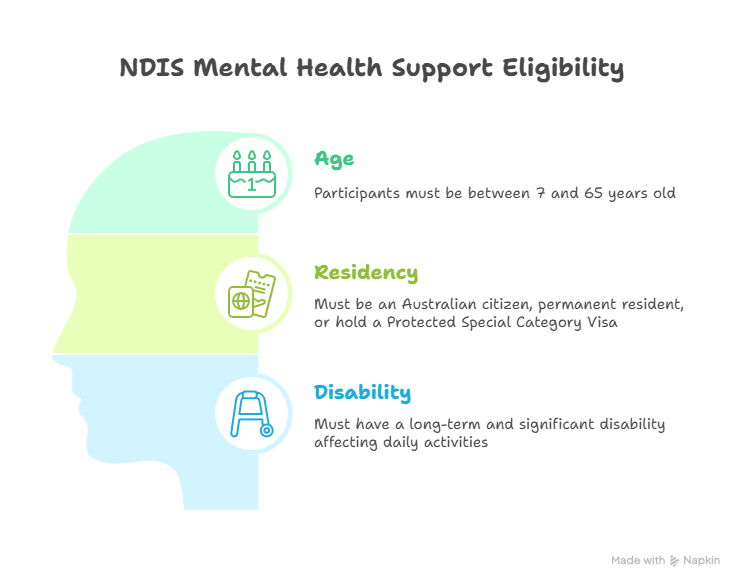
ndis support in pakenham eligibility

1.Age: You need to be between 7 and 65 years old.

  • Under 7? You may qualify for early childhood support.
  • Over 65? My Aged Care might be the right path for you.

2. Residency: You must live in Australia and be:

  • An Australian citizen,
  • Apartment resident, or
  • Hold a Protected Special Category Visa.

3. Mental Health Condition is Long-Term: Your condition needs to be ongoing and not likely to improve with current treatments. This doesn’t mean you’re not trying; it just means more support is needed.

4. You Need Support with Daily Life: Your condition must make it hard to do everyday things, like:

  • Taking care of yourself
  • Moving around
  • Communicating
  • Learning
  • Joining in work, school, or community activities
  • Managing emotions or making decisions

Even one area is enough to qualify.

What Does “Significant Impact on Daily Life” Actually Mean?

How much is your condition affecting your ability to live independently?

The focus is on six main areas of life, things we all deal with every day and see how your mental health condition is getting in the way. This includes things like talking to others, taking care of yourself, learning new things, and managing time or money.

Let’s take a quick look at these six areas and how someone with a psychosocial disability might experience challenges:

Life AreaExamples of Difficulty
CommunicationTrouble asking for help, feeling misunderstood, or avoiding conversations altogether
Social InteractionWithdrawing from people, losing friendships, feeling unsafe in groups
LearningForgetting things easily, not being able to focus or learn new tasks
MobilityFeeling trapped at home due to anxiety or panic in public spaces
Self-CareStruggling with hygiene, meals, or medication without reminders or help
Self-ManagementMissing appointments, not paying bills, or being unable to plan your day

To put it simply, if your mental health makes it hard to keep up with daily life and it’s been going on for a while, you might be living with a psychosocial disability. And that could mean you’re eligible for help through the NDIS.

How to Apply for NDIS Mental Health Support in Pakenham (Step-by-Step Guide)

So, you think you (or someone you care about) might be eligible for NDIS mental health support, and now you’re wondering, “How do I actually apply?”

Don’t worry, you’re not expected to have all the answers straight away. The application process can feel a bit overwhelming at first, especially when mental health is already hard to talk about. That’s why in this section I will walk you through it step-by-step, in a way that is easy for you to understand:

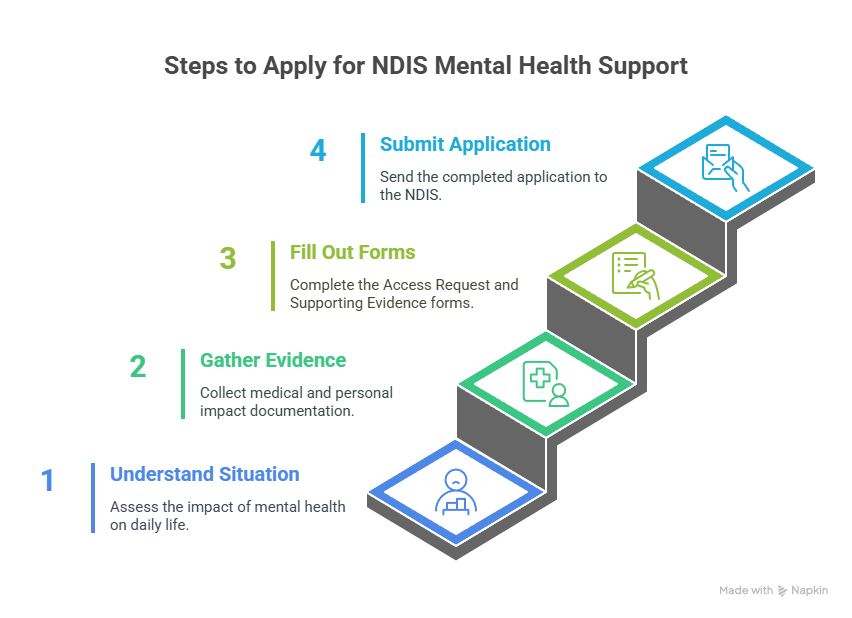
steps to apply for ndis mental health support in pakenham

Step 1: Understand Your Situation

Before filling out any form, take a moment to check in with yourself (or loved one) and ask:

  • Is this mental health condition long-term?
  • Is it interfering with daily life – not only emotionally, but practically as well?
  • Would some extra support make a difference in your independence, confidence, or routine?

If the answer is yes, you’re in the right place.

Step 2: Get Your Evidence Ready

This is one of the most important parts of your NDIS application, because the NDIS does not only need to know your diagnosis, they want to understand what your disability is doing to your life.

This is where strong evidence is important.

What Kind of Evidence Is Needed?

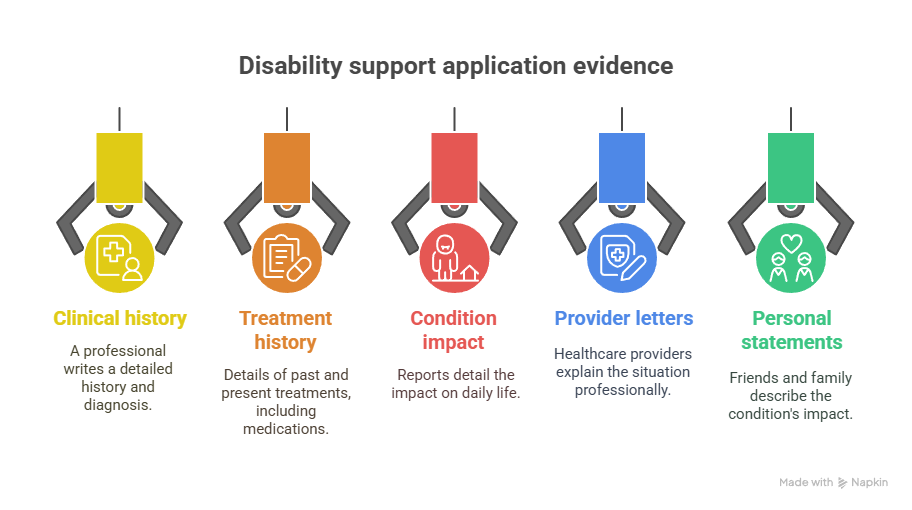
Support is usually granted based on professional documentation. This often includes:

  • A detailed clinical history and diagnosis – usually written by a psychiatrist, psychologist, or GP.
  • Your treatment history – It means past and present, including medications, therapies, and care plans. (if any)
  • Evidence of how your condition affects your daily life – reports that describe your ability to function in everyday tasks. Standardized assessments like the WHODAS 2.0 or the Life SkillsProfile, may be used.
  • Letters from your healthcare providers – these explain your situation from a professional perspective and can add weight to your application.
  • Statements from people who know you well – friends, family members, or support workers can describe how your condition affects your day-to-day life.

Who Can Help You Collect This:

  • Your local GP or mental health team
  • NDIS access support services
  • Local Area Coordinators (LACs) in Pakenham, they are trained to walk you through this process
ndis support: application evidence

Step 3: Fill Out the Forms

There are two main forms you’ll need:

  • Access Request Form (ARF) – This is your official request to join the NDIS
  • Supporting Evidence Form (SEF) – This is where your doctor or psychologist will provide details about your condition and how it affects your daily living (e.g. showering, preparing food, getting out of the house).

Pro tip: When completing these forms, remember to focus on how your condition impacts your everyday living rather than just the name of your condition.

Always be honest, even if it makes you uncomfortable. Generally, the more accurate the depiction, the better chance you have of getting the support you need.

 Step 4: Submit Your Application

You can send your completed forms and supporting documents to the NDIS by:

  • Email
  • Post
  • Online upload
  • Or drop them off at a local NDIA office

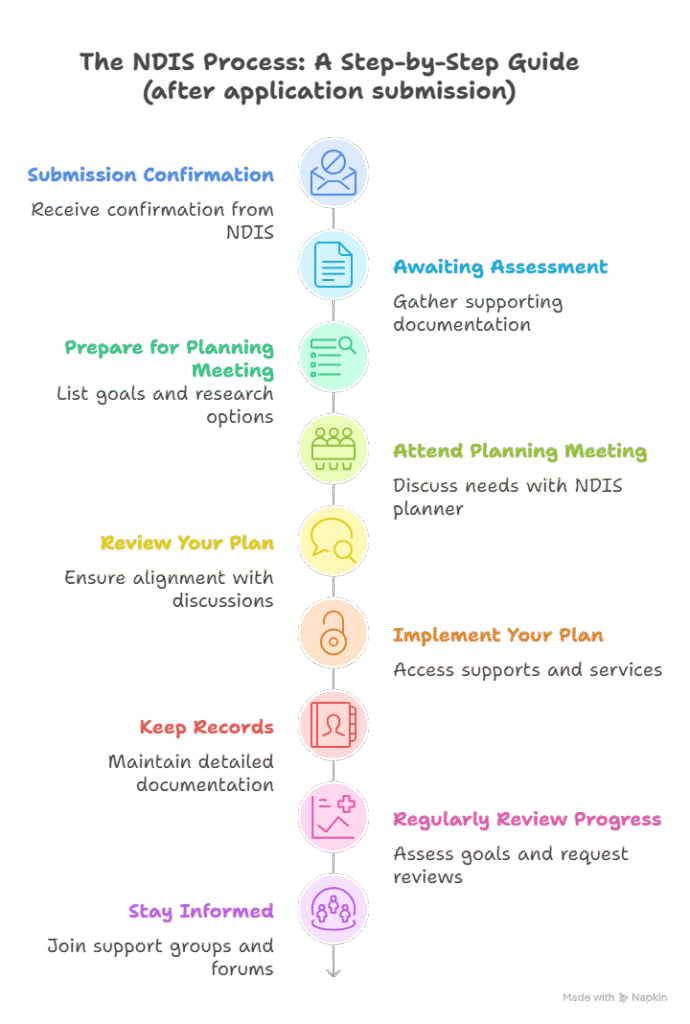
Once submitted, it can take a few weeks for the NDIS to get back to you, sometimes longer. While you wait, try to gather any extra documents that might strengthen your case in case they’re needed later.

However, the process doesn’t end by application submission only, here is what you should prepare if your submission is confirmed.

ndis mental health support in pakenahm: after application submission process

NDIS Plan Example for Psychosocial Disability in Pakenham

Understanding what an NDIS plan might look like can make the whole process feel less overwhelming. While every plan is tailored to individual needs, here’s a realistic example for someone living with a psychosocial disability in Pakenham. This will help you see how goals, supports, and services fit together in a plan.

Example Participant Goals

NDIS plans are goal-oriented. For someone with a psychosocial disability, goals might include:

  1. Independent Living
    • Manage daily routines like cooking, cleaning, and personal care
    • Maintain a stable living environment
  2. Social and Community Participation
    • Attend local community groups, social clubs, or classes
    • Rebuild connections with friends and family
  3. Skill Development and Capacity Building
    • Learn strategies for coping with stress or anxiety
    • Build skills for returning to education or employment

Supports NDIS Might Fund:

  • Psychosocial Recovery Coaching
  • Community Access or Social Participation programs
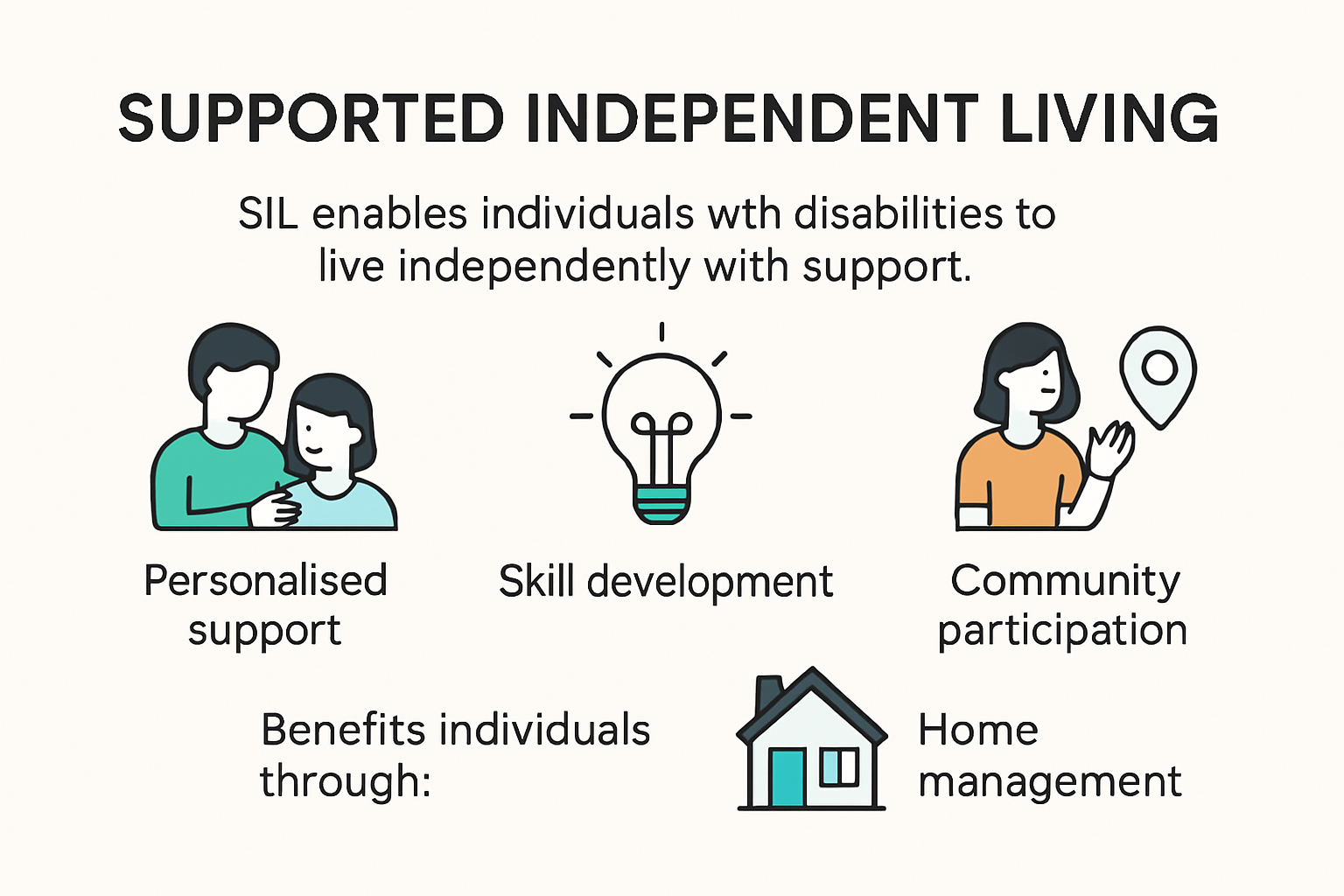
  • Assistance with Daily Living or Supported Independent Living (SIL)

Tip: Think about how each support helps you achieve your goals, not just the service itself. NDIS focuses on outcomes and independence.

Local Support for Your Application Journey in Pakenham

1. Local Area Coordinator (LAC) – Latrobe Community Health Service

  • Address: 48 John Street, Pakenham VIC 3810
  • Phone: 1800 242 696
  • Email: southern.melbourneLAC@ndis.gov.au

How they can help:

A Local Area Coordinator is your first point of contact for anything relating to the NDIS. They can help you navigate the application process, help you fill out the paperwork, and once approved, they can support you in connecting with the right services and supports in your area.

2. NDIS Access Support Providers

Organizations like Neami National, EACH, ACSO, and others understand how tough this process can be. They can help:

  • Talk with you about whether you might be eligible
  • Help collect the documents and reports you need
  • Support you emotionally, because your wellbeing matters, too

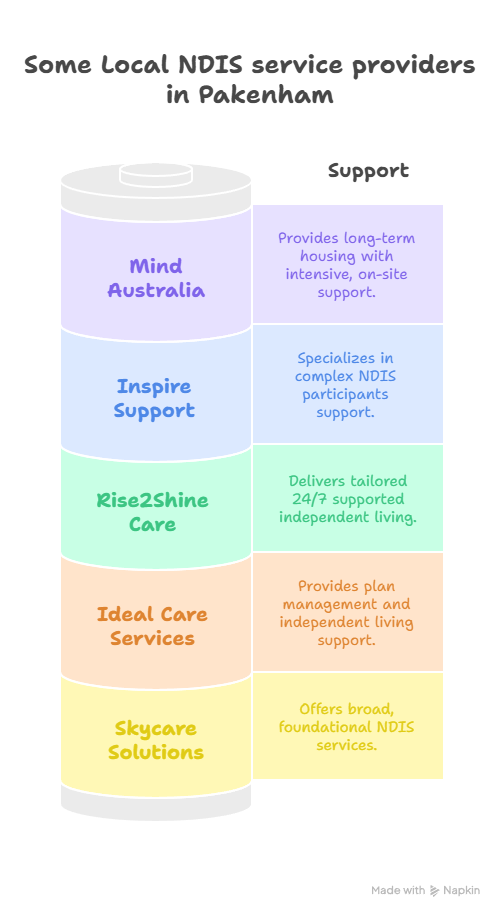
3. NDIS Service Providers in Pakenham

Look for local NDIS service providers and review everything carefully, before committing to one provider.

ndis mental health: local service provider

Common Application Challenges & How to Overcome Them

Let’s be real: applying for the NDIS with a psychosocial disability is not an easy task. Some people run into issues, but here few tips to overcome it and have a smooth journey to your NDIS plan.

ChallengeHow to Handle It
Not enough evidenceAsk your GP or psychologist to write a more detailed report -especially about how your condition affects daily life
Application deniedYou have the right to request a review and submit extra documents
Feeling overwhelmed or retraumatizedReach out to someone you trust, a support worker, or a local mental health service – your well-being matters during this process

Beyond Application: What NDIS Mental Health Supports Can You Access in Pakenham?

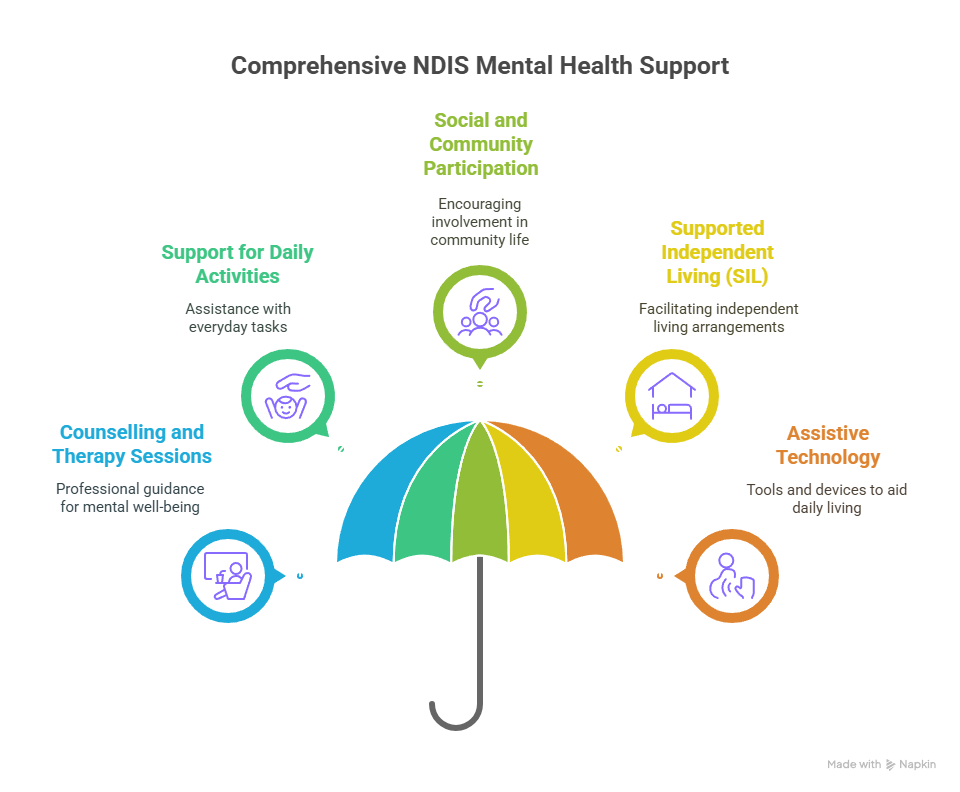
The NDIS funds services that improve your ability to live independently and participate in society. These can include:

  • Counselling and Therapy Sessions
  • Support for Daily Activities
  • Social and Community Participation
  • Supported Independent Living (SIL)
  • Assistive Technology and more.
ndis mental health support in pakenham: comprehensive services

Some Community Support Groups in Pakenham

  • Pakenham Support Group- GROW Mental Wellbeing Program: The community offers free, confidential peer-led support for depression, anxiety, panic at grief, and diagnose mental illnesses.
  • Living and Learning Pakenham
  • Anglicare Victoria etc.

Conclusion

Navigating NDIS mental health support in Pakenham isn’t always easy, but it doesn’t have to be difficult too. Understanding your options, knowing your rights, and connecting with the right support can truly change the way you live and feel each day.

Remember, you don’t have to do it all on your own. With the NDIS and a caring network of local services and professionals, there’s real support out there, tailored to your journey, your goals, and your wellbeing.

Frequently Asked Questions (FAQs)- NDIS & Mental Health Support

Q1: Does the NDIS pay for medication or medical treatment?

A: No, the NDIS doesn’t cover things like medication, that is handled by regular health services.

Q2: Can I get funding for psychology sessions?

A: Maybe. If it’s related to a long-term mental health condition and helps you build your everyday skills or independence, it might be covered.

Q3: My mental health goes up and down, can I still qualify?

A: Yes, many people have conditions that come and go. Here, you should remember the important thing is how it affects your everyday living and not whether it is a continuous condition.

Q4: Can my family get support through my NDIS plan?

A: The NDIS focuses on the individual participant, however, they acknowledges the important role families play. Occasionally, supports like respite care for carers or capacity building or training for families is included.

Q5: Am I required to share personal trauma to obtain NDIS support?

A: No. You can choose to not go into the details of your trauma. The NDIA just needs some basic information to understand your support needs, they respect your right to privacy.

ndis provider in pakenham

NDIS Provider in Pakenham: Starting With Confidence, Not Confusion

Let’s be honest, starting your journey with the NDIS can feel a little overwhelming.

There’s paperwork to fill out, new terms to learn, and lots of decisions to make. With all this, you might start wondering where to start, but you’re not alone. Many people feel unsure at first.

That’s exactly why in this guide, I’ll try to take away the confusion and help you feel confident navigating the NDIS provider in Pakenham and everything related to it, step by step. Whether you’re supporting a loved one or exploring supports for yourself, this is your local companion to understanding the process and making the most of your plan.

But First: What is the NDIS?

Before we discuss the “how”, let’s first focus on the “what”. 

The NDIS (National Disability Insurance Scheme) is a government-funded program that supports Australians aged under 65 with a permanent and significant disability. It’s designed to give people more choice and control over the services and supports they need.

NDIS is not a welfare service, it is a partnership. Think of it as a tool that can be used to help you achieve your goals, whether that’s learning new skills, engaging with your community, or making everyday life just a little easier. 

NDIS supports could include:

  • Support with daily tasks including cooking, showering, and transport
  • Assist life stage transition
  • Community participation, social programs, life skills workshops, and more

The important part is that NDIS is tailored specifically to you. Each plan is developed around your specific needs, abilities, and goals, not a standardized approach.

What Does an NDIS Provider in Pakenham Do?

An NDIS provider is an individual or organisation that delivers services funded through your NDIS plan. These services can range from personal care and community access to therapy, employment support, and accommodation.

In Pakenham, NDIS providers work closely with participants to:

  • Help identify the right supports for your needs and goals.
  • Deliver services safely and professionally.
  • Monitor progress and adjust supports as life changes.

The best NDIS providers go beyond the basics, they focus on empowerment, independence, and helping you live your best life, your way.

Understanding the NDIS Process: Key Stages

ndis provider in pakenham: support with love and care

1. Check if You are Eligible

Now that you know what NDIS really means, let’s understand the eligibility that is required to qualify for this program. Not everyone with a disability is eligible for the scheme.

To access the NDIS support, you need to meet the following criteria:

  • First, you should be under 65 years old at the time you apply
  • You are an Australian citizen, a permanent resident, or hold a Protected Special Category Visa
  • Have a disability that is permanent and significantly affects your ability to do everyday things

Still unsure? That’s completely okay. You can speak with your local NDIS provider in Pakenham for support and clarity.

2. Starting the Application Process

If you think you are likely eligible, what do you do next? 

Let’s look at what you have to do to apply. It may look complicated, but with local support services available to help, it becomes manageable.

Here’s how to get started:

  1. Contact: You can contact NDIA (National Disability Insurance Agency) directly, or you can connect through local area coordinators ( based in Pakenham).
  2. Collect documents: You should gather all the relevant documents you might need as medical evidence of how your disability affects your life.
  3. Submit an Access Request: You can do this online, on the phone, or via a form.

3. The Assessment Process: What to Expect in Pakenham

After applying, you will be contacted to take part in a planning meeting with either NDIS representative or LAC. Don’t worry, it is not a test but a discussion about your life, your goals, and what type of support will be most beneficial.
Expect questions like:

  • What challenges do you face on a day-to-day basis?
  • What would you like to achieve? (e.g, gaining or maintaining employment, living independently, communicating effectively etc.)
  • What support are you currently using?

Tips:

  • Be as honest and detailed as possible in your answers
  • Take someone with you if talking with people makes you anxious
  • Ask questions if you don’t understand

Local assessments are typically held at NDIS partner offices or can also be carried out in your home. Some can also be done via video call, this will depend on the situation.

4. Receiving Your NDIS Plan: Breaking Down the Funding

Once your plan is approved, you’ll receive a personalized NDIS plan with funding which comes under three main support categories:

  • Core Supports – This covers everyday needs like personal care, household tasks, and transport. It’s generally flexible; you can usually move funding between categories like daily activities and social support, but some parts, like transport funding, might be treated a little differently depending on your plan.
  • Capacity Building – This support is to help you build independence over time. Think life skills training, therapy, or even support to help you explore work or education options.
  • Capital Supports – This covers things like the purchase of special equipment or modifications to a home that allow you to better manage daily living safely. It’s not as flexible as the other categories, as funding here is set aside for a very specific purchase.

To give you an example

Let’s say you’d like to feel more confident managing daily tasks like cooking or catching public transport. You could use Capacity Building funding to work on life skills development with a local support provider in Pakenham.
Or, you might use Core Supports to bring in a support worker to help you attend a community group or event in town.
If you are unsure how to interpret your plan, local support coordinators like Rise2Shine Care can help you understand what’s available and how to make the most of it.

5. Choosing the Right NDIS Provider in Pakenham

One of the most personal and significant steps in your NDIS journey is finding the right provider. You don’t want to choose only on the basis of who is available, it’s all about partnering with someone who understands your goals, preferences, and way of doing things.
So, how do you know if you have found the right provider?
Start by asking yourself a few simple but important questions.

  • Does the provider really get me?
    The best ones don’t just offer services, they take the time to listen to your story and work with you to reach your goals. Whether you want to become more independent at home, join local community groups, or develop everyday skills, the provider should be flexible and focused on what matters to you.
  • Registration and Reliability
    An NDIS provider in Pakenham that is registered has likely met quality and safety standards determined by the NDIS Commission, which should give you some confidence, especially as a newbie.
    However, registration on its own is not everything. Be mindful of their communication style and how responsive they are when you have questions. Do they check back in? Are they clear and respectful in their communication?
  • Service Delivery That Works for You
    People have different preferences. You may feel more comfortable receiving support in your own homes, while others enjoy being out and about in the community. A good provider should offer you options, whether that means flexible times, mobile support, or online sessions when needed.

And remember to make sure they have experience supporting people with similar needs. The NDIS provider in Pakenham with relevant experience may be able to predict various challenges and provide better, personalized support.

Questions to ask a potential NDIS Provider in Pakenham

ndis provider in pakenham: community inculsion

Whether you are talking to a provider for the first time on the phone or you are in a meeting with them, here are some questions to help you clarify if they are a good fit for your journey:

  • How do you match support workers with participants?
    You want someone whose personality and skills align with your needs.
  • What if I want to change or pause services?
    Life changes, and your supports should be flexible enough to change with them.
  • Do you provide regular progress updates?
    It’s helpful to know how things are tracking and if you’re heading toward your goals.
  • Can you provide services where I am most comfortable?
    Whether it be at home, in the community, or online, it is right to see how flexible they are.
  • What measures do you have in place to ensure that your services are safe and of high quality?
    Every provider should have detailed procedures around safety, staff training, and participant feedback.

Tip: Selecting a provider ultimately comes down to emotion. Did they communicate with patience and clarity? Did they make you feel understood? The aforementioned fine details will reveal to you a great deal about what you could expect to receive in terms of support.

Remember: You’re allowed to change providers if things aren’t working. Your comfort and goals matter.

6. Using Your Plan and Accessing Local Supports

Once your plan is active, it’s time to get moving.

Start by reaching out to your chosen providers to set up service agreements. You can easily track your spending and appointments through the myGov portal, and don’t hesitate to ask your support coordinator if you need help managing things.

Pakenham-based supports might include:

  • participation programs that connect you to local activities and social groups
  • SDA (Specialised Assistance with Life Stage Transition Support to help you adjust to new phases of life
  • Community Disability Accommodation) if you need housing that’s designed to meet your specific needs and more.

This is where your plan becomes real, and the support you receive starts to make a meaningful difference in your life.

7. Reviewing Your NDIS Plan: Adjusting As You Grow

Your plan isn’t fixed forever. You’ll have an opportunity to review your plan, usually every 12 months. This is your chance to reflect on what’s working and what might need to change.
You can even request an early review if your needs change significantly.

Tips for a good review:

  • Keep notes on how your supports are going
  • Set clear new goals before the review
  • Don’t be afraid to speak up; this is your plan

Local coordinators in Pakenham are there to help you prepare and make the most of this opportunity.

Frequently Asked Questions (FAQs)

Q: I’m not sure I qualify. Should I still apply?

Yes, many people are surprised to learn they’re eligible. Speak with your local LAC to discuss your situation or simply look for the criteria online.

Q: Where can I get help filling out the forms?

Local organisations like Koala Care Services, Latrobe Community Health Service, or We Rise2Shine Care can assist.

Q: What if I’m not happy with my provider?

You have the right to switch providers. Just ensure the new provider is registered (if required) and aligns with your needs.

Q: Can I manage my plan myself?

Yes. You can self-manage, have a plan manager, or use the NDIS to manage it. Each has pros and cons based on your preferences.

Conclusion

Starting the NDIS journey may seem confusing initially, especially when there’s lots of information and many decisions. Just know that every step you take is bringing you closer to the type of support that will fit your life.Whether you are just exploring eligibility, picking an NDIS provider in Pakenham, or getting ready to use your very first plan, it’s okay to take one step at a time. You do not have to know everything in advance of each step, and you certainly do not have to do this alone.
There are people, services, and community networks here in Pakenham ready to walk with you. And with the right support, your NDIS journey can represent an important turn towards independence, connection, and confidence.
So, take a deep breath, take your time, and when you are ready, reach out to us. You got this!


NDIS service in Pakenham

Find the Right NDIS Service for Your Loved One

The National Disability Insurance Scheme (NDIS) is Australia’s support system for people living with permanent and significant disabilities. Its goal is to help individuals achieve greater independence, better social and economic participation, and an overall improved quality of life. Through tailored plans, the NDIS funds necessary services and supports based on each participant’s unique needs and goals. In short, it’s more than a system; it’s a lifeline for many.

This blog is about uncovering that “secret” behind the NDIS Service in Pakenham that make people feel seen, heard, and genuinely cared for.

The Heart of Support in Pakenham

Navigating the National Disability Insurance Scheme can be confusing, especially when all you really want is support that understands your loved one. In Pakenham, many families and individuals who want a place that takes care of their special members find themselves asking, “Isn’t there a better way? A more personal way?” to protect and help them.

Here’s the good news, there is a better way and it’s closer than you think. Some NDIS service providers are doing things differently. They’re offering more than just support plans and paperwork. They’re creating connections and showing up like family.

The heart of this approach is person-centered care, where your voice matters and is equally important, your goals take center stage, and the support feels real.

What Does “Family-Like” Support Actually Mean?

1. Genuine Connection

Support shouldn’t feel like a transaction and yet, sometimes it does. When providers treat people like just another number, it’s easy to feel overlooked. But here’s the thing: when support workers genuinely care, everything starts to feel different.

The most trusted NDIS service in Pakenham are the ones where staff really take the time to get to know you. They ask how your day’s going, remember the little things (like your dog’s name), and show up with heart not just a checklist. That’s when it stops feeling like “support” and starts feeling like a team.

2. Active Listening and Understanding

It’s more than just acknowledging and smiling. Active listening means truly hearing what you’re saying, and sometimes, what you’re not. It’s about understanding your goals, worries, quirks, and dreams. When support workers take the time to listen on that level, they can respond with care that actually fits your life. That’s why the most trusted disability service providers know that genuine understanding always leads to better support.

3. Empathy and Compassion

NDIS support isn’t just about logistics. It’s about people. And empathy real, felt empathy makes all the difference. When support workers approach their job with kindness and care, it fosters a deeper connection. It’s the kind of compassion that says, “I’m here with you, not just for you.”

4. Consistency and Reliability

Moreover, imagine seeing a new face every week. It’s hard to feel safe or understood that way. One of the things that makes support feel like family is knowing who will walk through your door. Consistency in support teams is something that many top NDIS providers prioritize, as it helps build trust and routine. You get to know your team, and they get to know you.

What Makes NDIS Service in Pakenham Feel Like Family?

Let’s break down what really sets these services apart the things that make them feel less like formal support and more like genuine connection.

  • Person-Centered Approach

Saying “person-centered” is easy. However, living it? That’s where the magic happens. In Pakenham, great NDIS providers shape supports around you. Whether that means changing shift times to suit your routine or helping you join activities you actually care about, the plan is built for you, not the other way around.

  • Open and Honest Communication

Trust starts with being honest. Good providers keep communication clear and real. They check in regularly, are upfront when things don’t go perfectly, and always make space for your voice. You’re not just a participant; you’re part of the conversation.

  • Building Trust and Rapport

Trust isn’t built in a day. It takes consistency, patience, and showing up. When support workers remember the little things, follow through on promises, or simply show they care, it creates a bond. That kind of connection makes all the difference.

  • Going the Extra Mile

It’s often the small gestures that stay with you, like a support worker remembering your birthday or staying late so you don’t miss an event you were excited about. Consequently, these moments show heart and turn service into something more meaningful.

  • Community Integration Focus

The best support doesn’t stop at your front door. Moreover, NDIS services with a community focus help you feel connected to what’s happening around you, whether that’s joining a local group, attending events, or just being out and about in Pakenham. It’s about belonging, not just receiving care.

Why This “Family Feel” Matters in NDIS Services

1. Stronger Family Involvement

When the whole family is involved and welcomed in the support journey, everyone benefits. Collaboration becomes easier, tensions lessen, and the participant feels more surrounded by care. NDIS Service in Pakenham that nurture these family ties often see the most sustainable, positive outcomes.

2. Improved Well-being and Outcomes

When people feel heard, respected, and supported, they begin to grow and feel empowered. As a result, emotional and mental well-being improves, and participants often become more engaged and motivated in their day-to-day lives. In other words, feeling valued leads to better outcomes.

3. Increased Confidence and Independence

Support that feels like family is empowering. As a result, it encourages individuals to step out, try new things, and grow into their independence. Furthermore, with the right team behind them, many participants in Pakenham are discovering just how capable they truly are.

4. Greater Sense of Belonging

Belonging is a powerful feeling. When support services bring warmth and inclusivity, participants feel truly connected, not just to their support team, but to the wider Pakenham community. This kind of connection helps individuals feel supported, seen, and part of something meaningful. And that sense of community can make all the difference.

Finding NDIS Service in Pakenham That Prioritize Connection

If you’re looking for that special kind of support in Pakenham, here are some tips:

Ask the Right Questions

  • How do you ensure continuity with support workers?
  • What does person-centered care look like in your service?
  • How do you involve families in the support process?
  • Can I meet the team before committing?

Asking thoughtful questions helps you gauge whether a provider truly walks the talk.

NDIS Services in Pakenham: Where Support Meets Every Part of Life

When it comes to finding the right NDIS support, one of the biggest comforts is knowing you don’t have to go from provider to provider just to get what you need. Fortunately, in Pakenham, some services offer a full range of NDIS supports all in one place, making life a whole lot easier for individuals and families alike.

Here’s a simple breakdown of the kinds of services you can expect, designed to support every part of your daily life and long-term goals.

1. Assist with Employment and Education

For those looking to work or study, this service helps with job searching, resume writing, interview preparation, and support while settling into a new role or course.

2. Personal Activities Support (Standard & High Needs)

Need a hand with daily routines? Whether it’s getting dressed, preparing meals, or managing complex health needs, NDIS Service in Pakenham provides caring and respectful help so you can go about your day with comfort and dignity.

3. Travel and Transport Assistance

Getting from A to B shouldn’t be a struggle. This support helps you learn how to use public transport or provides a reliable ride so you can stay connected to appointments, work, or community activities.

4. Community Nursing Care

Health needs are personal, and this service provides professional care from qualified nurses, whether it’s help with medication, wound care, or managing chronic conditions in the comfort of your own home.

5. Daily Tasks & Shared Living

Living with others or independently? This support ensures that your day-to-day needs are met, from cooking to cleaning, so your home life runs smoothly and comfortably.

6. Innovative Community Participation

In addition, this service help you build confidence, learn new skills, and connect with others through creative and engaging programs designed to help you become more involved in your community.

7. Development of Life Skills

Whether it’s managing money, cooking a meal, or handling daily tasks, this service helps you grow more confident and independent in everyday life.

8. Household Tasks

After all, it’s the small things like laundry, dishes, or keeping the house clean that make the biggest difference. Support is available to take the stress out of household chores.

9. Community Participation

Whether it’s joining a local club, attending events, or volunteering, this support encourages and helps you take part in the community in a way that feels right for you.

10. Specialized Disability Accommodation (SDA)

Finding the right home matters. NDIS Service in Pakenham supports participants who need specially designed housing that suits their physical or high-support needs, ensuring safety and comfort.

11. Group and Centre-Based Activities

Make new friends and explore new interests in a group setting. Whether it’s arts, games, or workshops, these programs are a great way to socialize and grow.

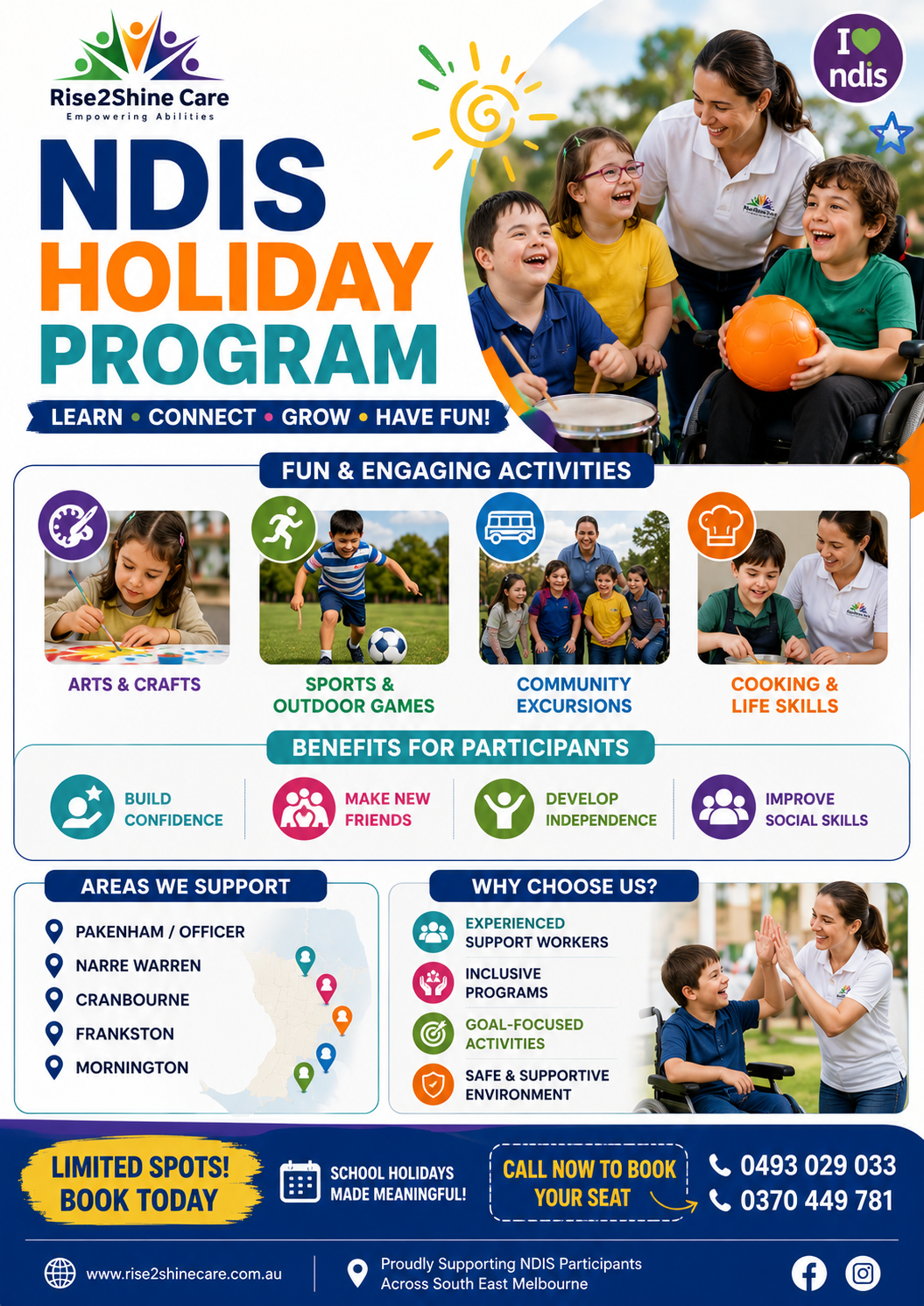
12. NDIS School Holiday Program

Keeping kids and teens engaged during school breaks can be a challenge. These structured, fun-filled programs give young participants a chance to learn, play, and connect with others in a safe and supportive environment.

The Importance of Customized Care

Person-centered or customized care ensures that support is tailored to your individual needs and preferences. It’s about empowering you to make informed choices, therefore allowing you to have control over the services you receive.​ NDIS Service in Pakenham offers such care that feels like family and prioritizes connection.

According to the NDIS Practice Standards, providers are required to:​

  • First, Respect your legal and human rights.
  • Additionally, communicate with you in a way that you can understand.
  • Support your engagement with your chosen community.
  • Enable you to make informed decisions about your care.

The Benefits of Person-Centred NDIS Support in Pakenham

A person-centred approach means your loved one is at the heart of every decision. The best NDIS services use this model to:

  • Build confidence and independence.
  • Create flexible plans that adapt to changing needs.
  • Encourage family involvement in decision-making.
  • Promote emotional and mental well-being.
  • Foster inclusion and connection within the local community.

It’s about creating a life that’s not just supported, it’s fulfilling, independent, and meaningful.

Understanding Your Rights and Responsibilities

As an NDIS participant, you have the right to:

  • Choose who delivers your supports.
  • Not use a provider if you feel they aren’t acting in your best interests.
  • Ask if a provider has a conflict of interest.
  • Not feel pressured to buy services or supports you don’t want or need.
  • Pay for supports at a fair and reasonable rate.
  • Decide what personal information you give to a provider.

You’re also responsible for ensuring that the supports you choose are directly related to your disability and align with your NDIS plan.

Recent Changes to NDIS Legislation

In October 2024, new laws were introduced to clarify what NDIS funding can and cannot cover. Participants can now only use their NDIS funds for items listed as NDIS supports. Additionally, all NDIS plans will have a 12-month funding period, with possibility of shorter periods tailored to specific circumstances starting in 2025.

Conclusion

The most trusted NDIS Service in Pakenham aren’t just about ticking boxes; they’re about building real connections. They listen, care, and treat you like part of the family. This kind of support, based on empathy, trust, and consistency, can change everything. It can shift confusion into clarity, making you feel fully supported, not just serviced.

Ready to Find the Right NDIS Service in Pakenham?

Let’s make care personal again. At Rise2Shine Care, we believe support should feel like family – consistent, compassionate, and empowering. Whether you’re looking for daily assistance, community access, or life skill development, our team is here to help you or your loved one thrive.

📞 Call 0493 029 033 or visit 35 Revelstoke Cr, Pakenham VIC 3810 to learn how we can tailor NDIS support to your family’s needs.

Discover NDIS support in Pakenham that feels like family personal, caring, and focused on your goals. Real connection, real support, real you.

Frequently Asked Questions (FAQs)

Q1. What does “person-centred” support mean?
It means your NDIS plan is built around your goals, preferences, and routines, not a standard checklist.

Q2. Can I meet support workers before starting services?
Yes, many Pakenham providers offer “meet and match” sessions so you can choose someone who fits your loved one’s needs and personality.

Q3. What if I’m not happy with my current provider?
You can switch providers anytime. It’s your right to choose who supports you best.

Q4. Are services flexible with timing and support types?
Most providers in Pakenham offer flexible scheduling and can adjust supports as your needs change.

Q5. How do NDIS services help with community involvement?
Providers often organise social outings, skills programs, and local group activities to help participants connect and feel included.